
Georgian Wine Harvest: How to Choose the Right Rtveli Experience
26 Aug 2026
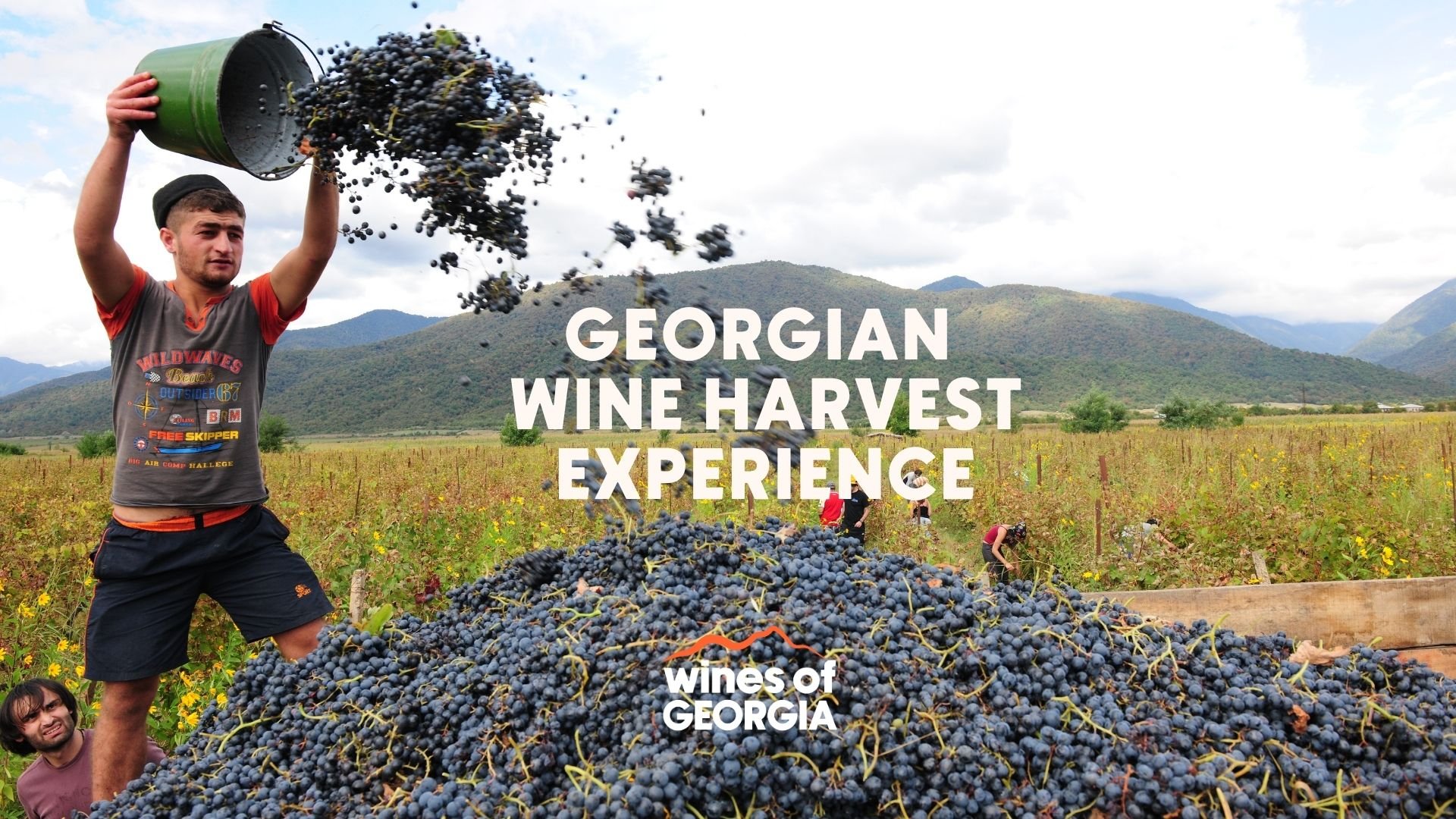
Georgia’s wine harvest, or rtveli, can be a brilliant way to experience the country’s wine culture. But the real harvest often exists in parallel with the tourist version.
The reason is simple: most visitors do not actually want to work. A working harvest may mean waking before sunrise, travelling to the vineyard and picking grapes across several hectares. Then the grapes must be transported and processed — and the winery work that starts afterwards is another story altogether.
This blog’s contributor, the Georgian wine expert and trip planner behind Dariko Drinks Wine, has been organising wine tours for many years — and has seen this misunderstanding create some funny situations. Some guests asked for an authentic experience, then found themselves facing several hours of real work in a small family vineyard. Others were presented with bread, cheese and two shots of chacha as the traditional pre-harvest breakfast and looked alarmed by the menu.
There have also been plenty of happier stories: guests who loved helping local families pick their grapes and felt proud when they sat down for a proper supra afterwards.
The full working experience is generally better suited to oenology students, aspiring winemakers and people who genuinely want to understand the process. If you would rather pick a basket or two, take photographs and enjoy lunch, that is absolutely fine too. You simply need to book the right kind of harvest.
We asked Tom Williams, a WSET-educated wine lover behind Georgia-based British wine-tour operator Eat This! Tours, to help us explain the options.
Plan your dates carefully
Kakheti, Georgia’s largest and best-known wine region, generally harvests from late August until mid-October. Exact dates vary according to the location, grape variety, ripeness and weather. Other regions follow their own calendars, and organised harvest activities are harder to find outside the main season.
A real rtveli cannot always be scheduled months in advance. Grapes are picked when the winemaker decides they are ready, not when the visitor’s itinerary says Tuesday.
Do not assume there will be grape stomping
Most quality-focused winemakers no longer crush grapes barefoot. Modern equipment is cleaner, quicker and less likely to introduce unwanted microorganisms.
A few family wineries offer stomping in clean gumboots — or wellies, for British visitors. If this is important to you, ask before booking. It is much more common during a staged visitor experience than at a working harvest.
Know which harvest you are booking
Real Rtveli: Pick grapes, observe or assist with winemaking and join the host family for a traditional supra. This offers perhaps the best balance between authenticity and comfort. See an example of a Real Family Rtveli tour.
Fun Harvest: Expect around 15 minutes of picking, photographs and usually some grape stomping. It is visitor-friendly and ideal if you want the atmosphere without spending hours in the vineyard.
Event Harvest: Large groups, sometimes 30–50 people, harvest together. You participate in the process, but the atmosphere is less intimate.
Working Harvest: Volunteer directly with a small winery and expect to spend four hours or more picking and processing grapes. This is the closest you can get to joining the actual harvest team — sore legs included.
Whichever version you choose, wear practical shoes, bring sun protection and keep your plans flexible. Real harvests follow the grapes and the weather, not tourism timetables. If you are looking for a wine experience beyond harvest, check out an itinerary we made for you!
