
Blog

Georgian wine can look complicated from the outside: unfamiliar grape names, qvevri, amber wine, and a wine history stretching back thousands of years.
The advice from UK wine writers, educators, presenters and buyers is much simpler: don’t try to learn it all first.

What We Learned in Georgia: Views from the UK Wine World
A few field days in Georgia can change a lot of misconceptions and assumptions about Georgian wine.

Every October 6th, Orange Wine Day gives us a good reason to talk about one of the wine world’s confusing naming issues.
Skin-contact wine as a product is indeed ancient. The term “orange wine” is very recent. And in Georgia, we usually call these wines amber!
Qvevri in the Pool, DJ Under the Stars and Polyphonic Singing in the Vineyard: Georgia Never Ceases to Surprise
What happens when you bring a group of British wine writers, educators, presenters, content creators and a wine buyer to Georgia for four very full days?
Quite a lot, as it turns out.

This October, Georgian wine is getting a whole month to itself!
Georgian Wine Month launches across the UK in October 2026, celebrating Georgian wines in the restaurants, wine bars and independent retailers around the country. And in London, one of the most exciting places to discover them will be Trivet: the two-Michelin-starred restaurant founded by chef Jonny Lake and Master Sommelier Isa Bal.
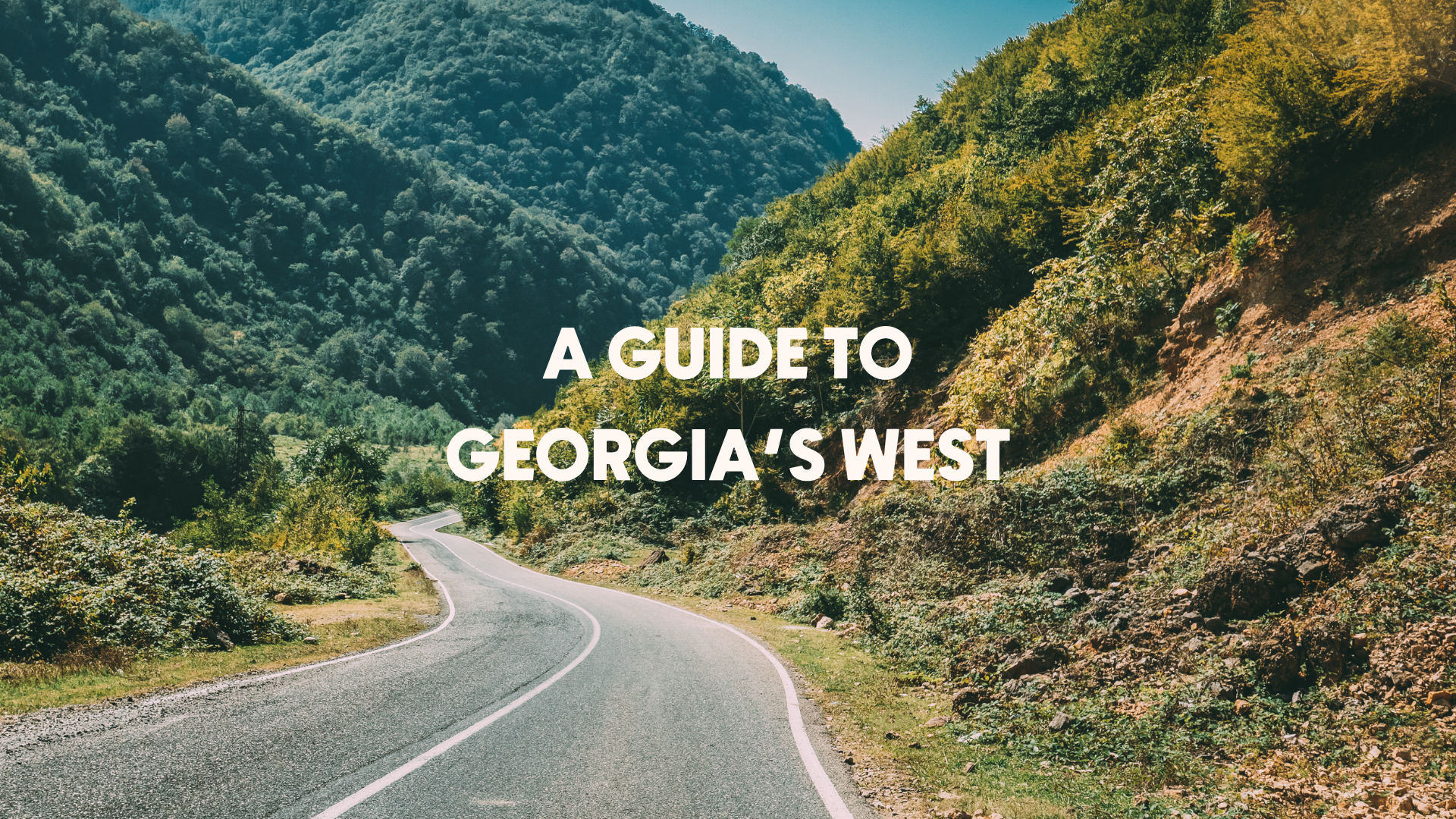
Kakheti may be Georgia’s most famous wine region, but Georgian wine doesn’t stop when you cross the Likhi Range. Head west and almost everything changes: the landscape gets greener, the air becomes wetter, different grape varieties take over, and local food traditions are reason enough to extend the trip.

September means back to school, so we thought we'd do a little revision of our own. If Georgian wine is already on your shelves or wine list, or you're considering adding it, there's no need to memorise hundreds of grape varieties and 8,000 years of history first.
Here are five things that are useful when buying, listing and selling Georgian wine.
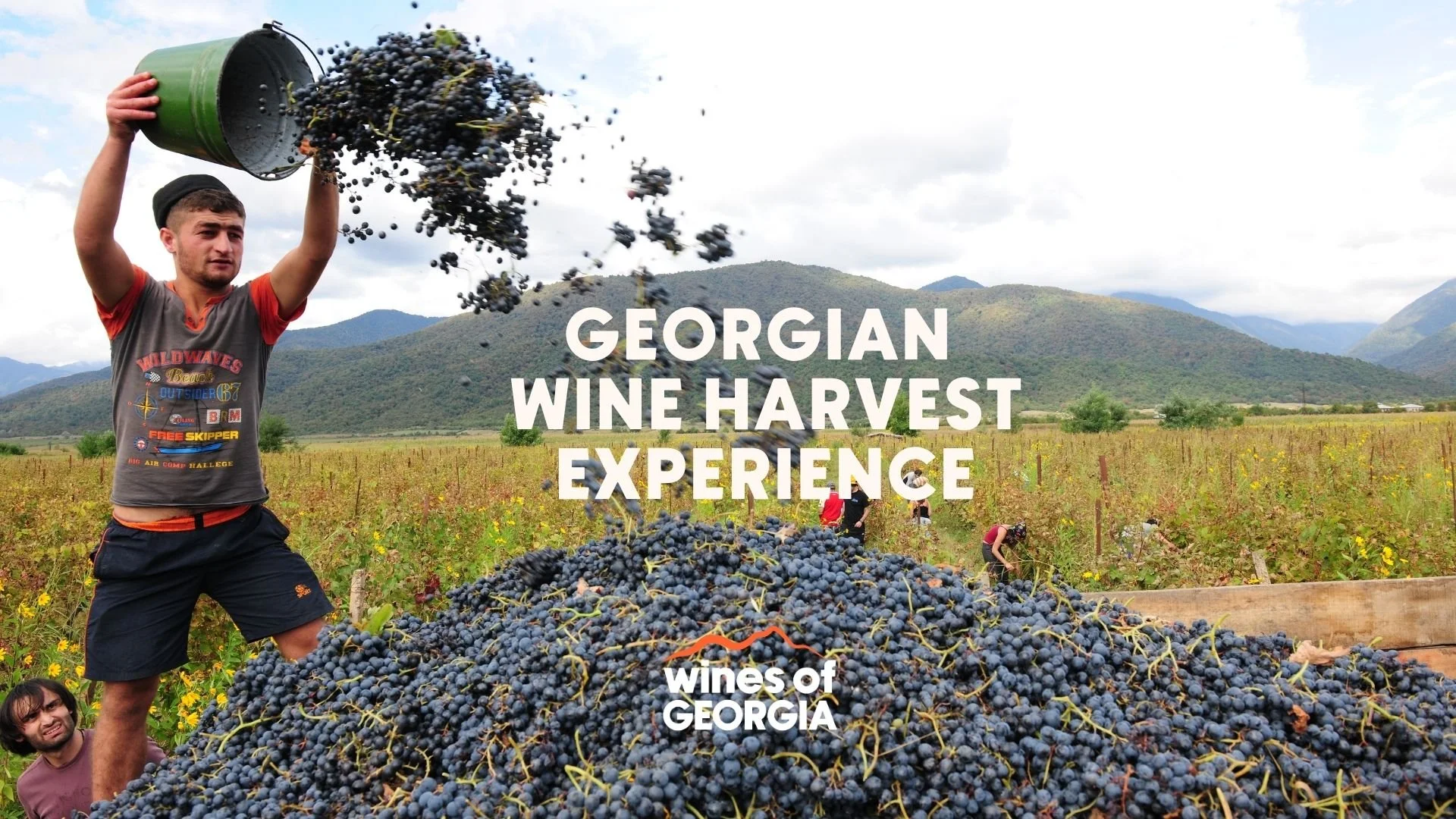
Georgia’s wine harvest, or rtveli, can be a brilliant way to experience the country’s wine culture. But the real harvest often exists in parallel with the tourist version.
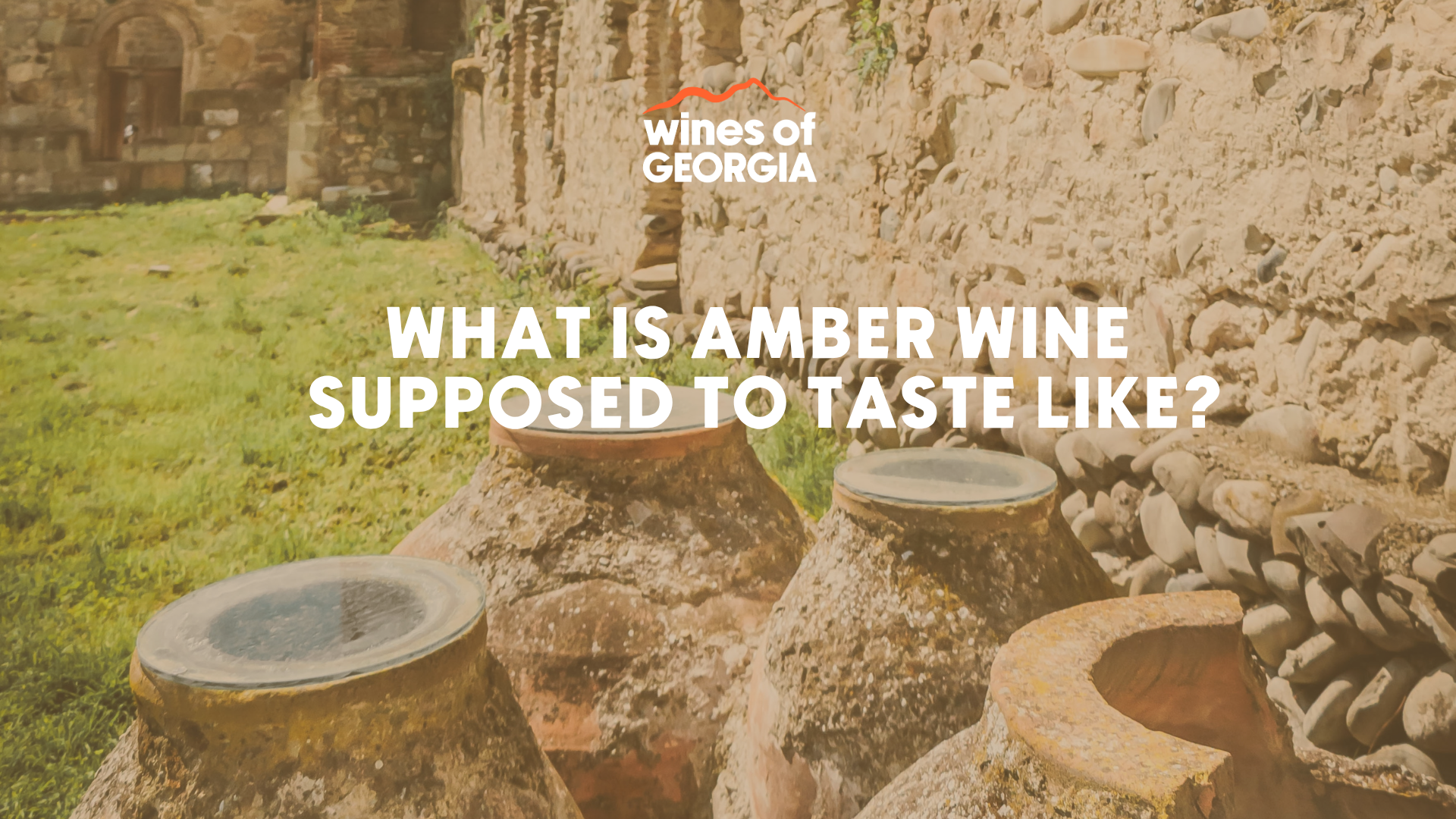
Amber wine can be confusing. One bottle smells of apricots and tea; another is all dried herbs and nuts. A third is light, floral and barely amber at all. So, which one is correct?
Well, it’s all of them.

Is Georgia really a birthplace of wine? Well, around 8,000 years ago, people living in what is now Georgia were already making wine in clay vessels buried underground. Archaeologists have since uncovered the world's oldest known evidence of grape wine, while centuries of uninterrupted winemaking have left their mark on everything from cave cities and monasteries to mountain terraces and family cellars.

Planning to travel to Georgia anytime soon? This itinerary follows the grapes through eastern Georgia, mixing winery visits with monasteries, mountain roads, historic towns and enough khinkali to make you sign up for Pilates upon returning home. As you might know, the country has more than 500 indigenous grape varieties, and discovering them together with the ancient local culture is a lot of fun!

Christopher Nolan’s The Odyssey has made waves across the cinema-loving world, and Georgia could hardly sit this one out. After all, this is a country with around 8,000 years of winemaking history. Ancient heroes meet ancient wines: both need patience, courage and the ability to go through a very long feast.
So, which Georgian bottles would we cast as the characters of The Odyssey?

There are few things more British than making the most of a sunny weekend with friends, family and a barbecue. Whether you're grilling burgers in the garden, cooking seafood by the coast or serving colourful vegetable skewers, the right wine can take the whole meal up a notch.
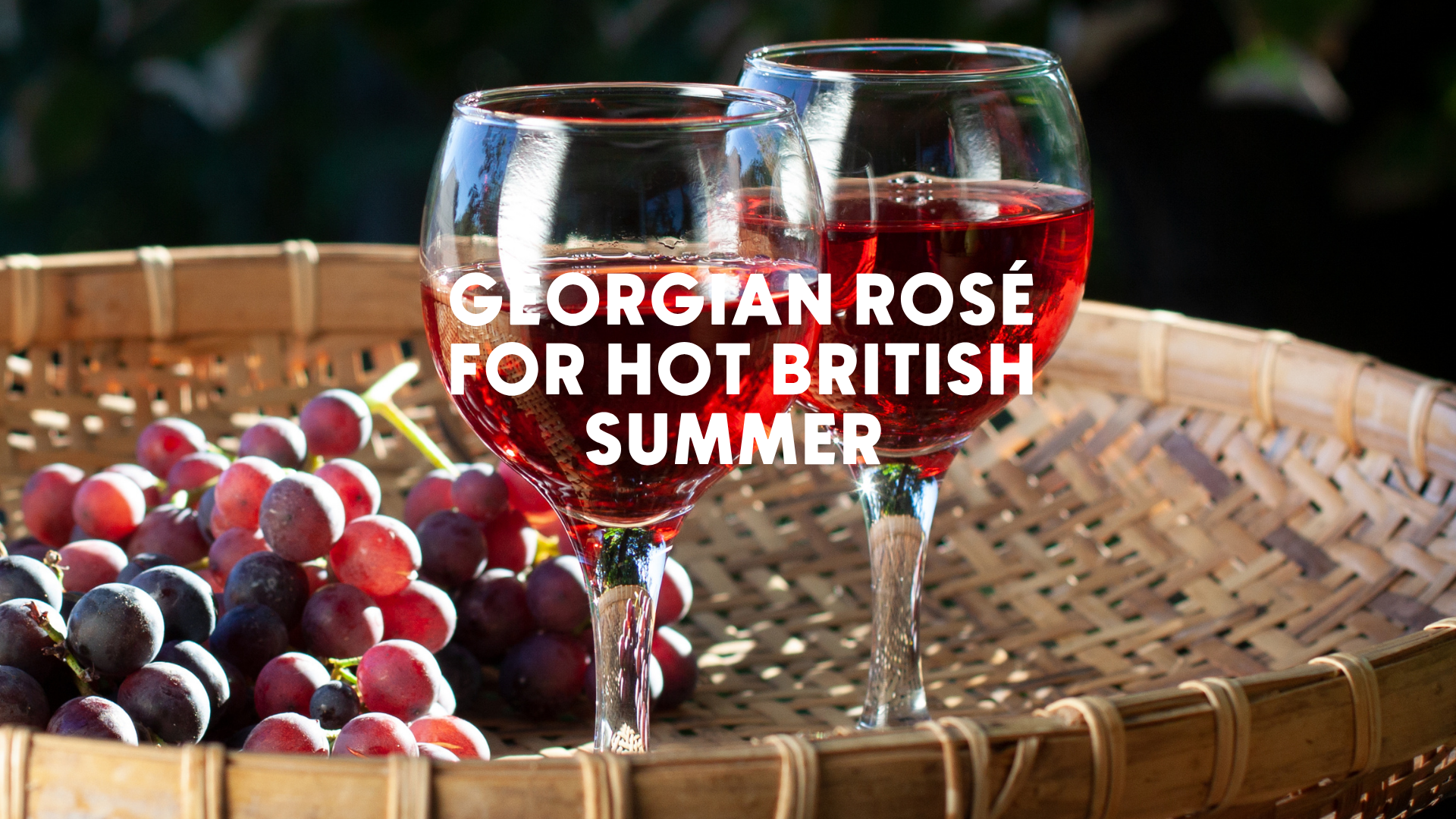
The perception of rosé has been changing towards more serious and worth drinking year-round, but admit it: it's still THE kind of wine you want to guzzle while floating on your inflatable flamingo.
Summer is the ultimate rosé season. While Provence and pink Spanish blends still dominate supermarket shelves, Georgian rosé deserves a place in your ice bucket too.
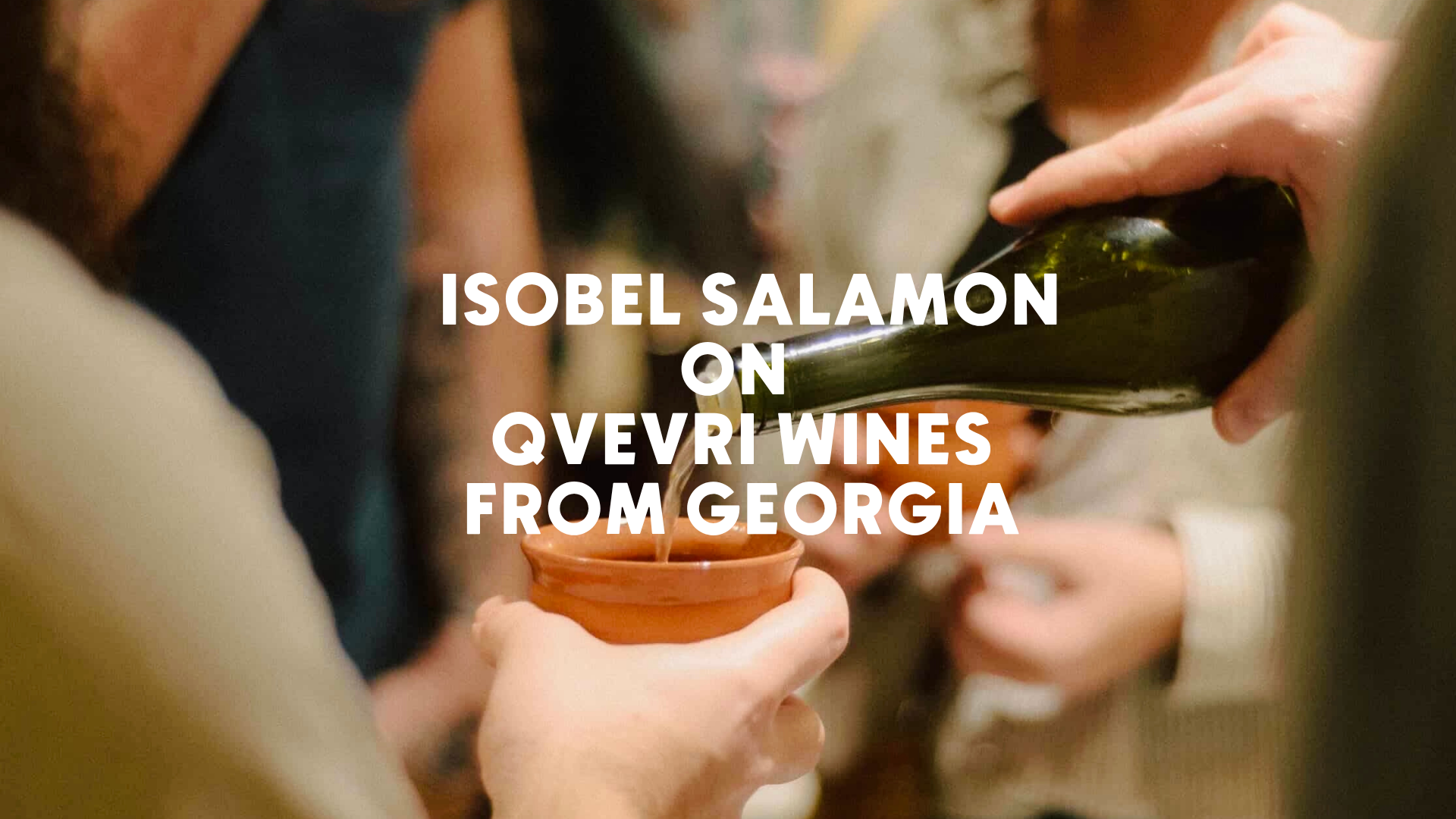
Qvevri, amber wine and other clay-fermented wines are no longer niche topics reserved for wine geeks but a part of a global conversation. One of the people bringing clay wines on a bigger stage is Isobel Salamon, an international judge, consultant, and clay-fermented wine expert who is a passionate advocate of Georgian wine, too.

There are countries people visit for landmarks, and there are countries people remember through conversations, meals and toasts that somehow turn into life advice. As you can guess, Georgia firmly belongs to the second category.
We spoke with boutique tour operators Janice Kirkwood and Sue Dempsey, whose Eating Adventures focus on food, wine and local experiences rather than checklist tourism.

Four Georgian Wine Stories for Father’s Day
Father's Day gift guides tend to be predictable: a bottle of whisky or aged Cabernet, or a little symbolic trinket bought at the last minute, because we are all so busy nowadays.
Georgia offers a different type of a meaningful wine gift for Father's Day. Behind many bottles are stories about fathers and sons, grandparents and grandchildren, family traditions and ideas passed down over generations.
Here are four Georgian wine stories that are as interesting as the wines themselves, and the best thing is that you can order these wines online and get them delivered to your dad as a special gift!
Let's see which one appeals to you most.

Summer heatwaves and Georgian wine go really well together — more than many people realise.
While Georgia is often associated with powerful amber wines and bold Saperavi-based reds, the country also produces refreshing whites, lively sparklings, pungent rosés and chillable reds. Moreover, many of these wines are now available by the glass in restaurants and wine bars across London!
Interest in Georgian wine tends to stay strong throughout the summer months, particularly from late May through July, when outdoor dining, picnics and terrace drinking come into full swing. Whether you're looking for something bubbly, fresh, pink, orange or red, here are some of the best Georgian wines to seek out this summer.

Georgian wine is heading to the Central & Eastern European Wine Fair in London, and we’re bringing literally everything, from crisp Goruli Mtsvane and classic Tsinandali to bold Saperavi and skin-contact qvevri wines.
This year’s line-up shows just how multilayered modern Georgian wine has become: historic estates, small family wineries, appellation classics, single vineyards and amber wines. All of them continue to turn heads across the UK trade.
Come taste the wines, meet the producers, and discover why Georgia remains one of the most talked-about wine origins in Europe right now.

Jimmy Smith of Wine with Jimmy on Georgian Wine and Keeping an Open Mind
Wine educator Jimmy Smith of Wine with Jimmy recently returned to Tbilisi for another WSET teaching session, followed by “a class, a glass and a bottle” — and of course, more exploration of Georgia’s wine culture along the way.
Between tastings, lessons and plenty of conversations, we sat down with him for a short interview about Georgian wine, education, orange wine misconceptions, and why keeping an open mind matters more than ever in wine.

London’s Georgian wine scene has changed over the last few years. What used to be limited to features in a few diaspora shops and restaurants has become something far more interesting: modern takes on Georgian cuisine, Racha featured next to Jura, Michelin-level sommeliers listing amber wines, and neighbourhood restaurants treating Saperavi as casually as Cabernet Sauvignon.
From Hackney to Kensington, Peckham to Islington, there are now places across London where a good selection of Georgian wine is available and served generously.

We know that people can be sensitive when it comes to familiar, comfort, nostalgia and all-time favourite flavour combinations. Salt and vinegar on fish and chips, proper peppery sausage meat, hearty filling in a Cornish pasty – all these elements make Classic British food go strong in the era of reinvented tacos and viral burgers. Pairing the taste of good old times with Georgian wine? Uh oh. Uncharted territory.
Wine pairing is not about making the food elevated or fancy. We suggest some wines we love and know to simply enjoy with your takeaway or at the picnic.
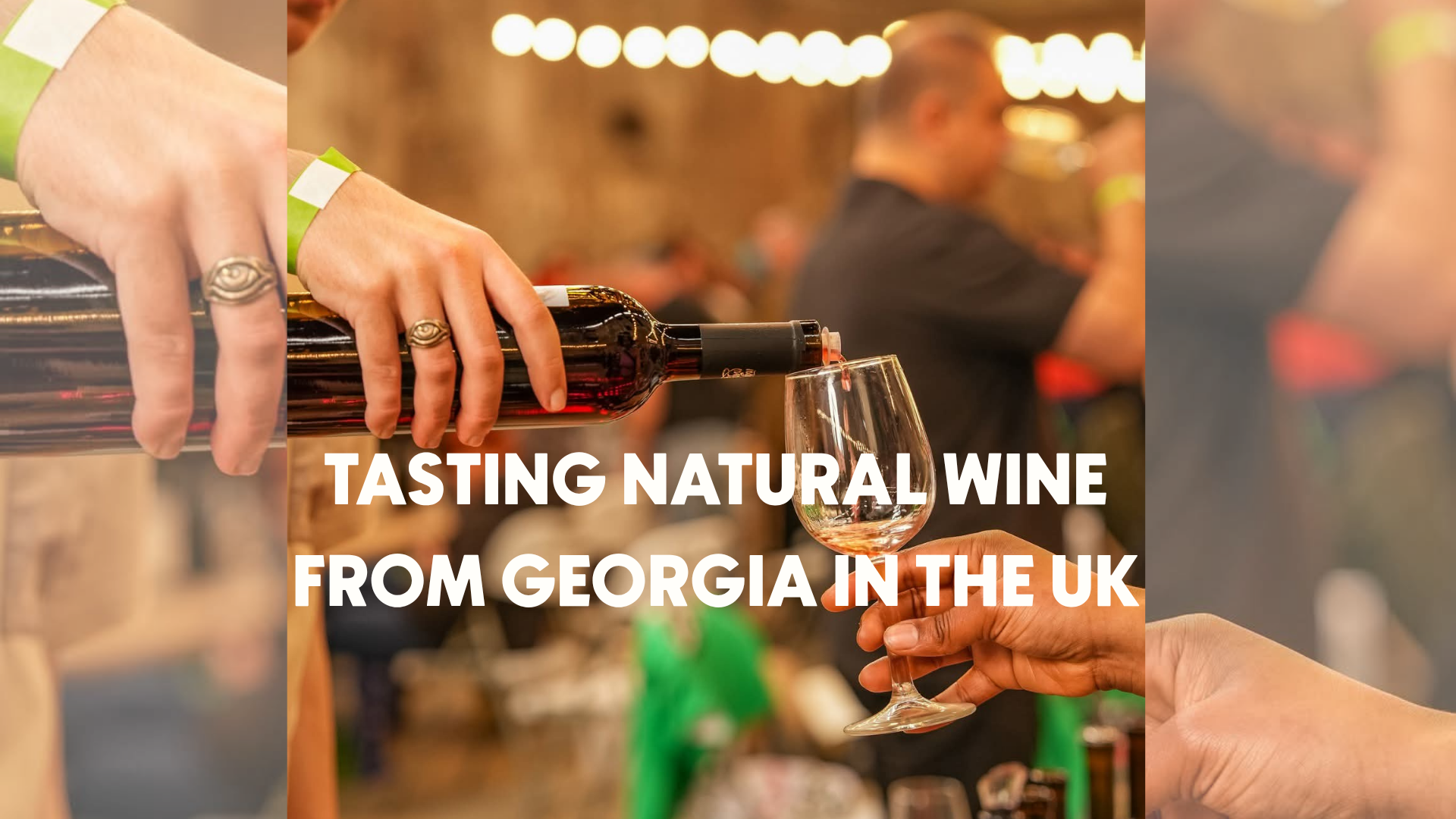
Natural wine is not a trend in Georgia — at least not in the way it is often framed in London or Paris, meaning something new, disruptive, or deliberately alternative. In Georgia, it rather grows out of a long-standing culture of small-scale farming and winemaking, where families have worked their own vineyards and backyard wine cellars for generations. They also often relied on methods that today would comfortably sit under the “natural” umbrella without ever having needed that label in the first place.
At the same time, it’s worth being quite precise here, because without precision, things get hazy in wine and the terminology alike!

It’s genuinely great to see so many Georgian producers together at the London Wine Fair this year. You don’t often get this kind of line-up in one place — from well-established names to smaller, newer wineries finding their voice.
It makes it much easier to get a real feel for what Georgian wine looks like today: different regions, different styles, and a mix of tradition and modern thinking. If you’re curious about Georgia, this is a very good place to start!
Here is the list of producers exhibiting their wines at the London Wine Fair this year.
May 18-20, at Olympia, London.

We all know the headline facts about Georgia: 8,000 years of winemaking, 500+ grape varieties. They do matter, but they don’t necessarily help you sell a glass on a busy Friday night.
So here’s a more practical way to think about Georgian wine sales: what actually makes it stand out, and how to use that at the table or on the shop floor.

If You Like This, Drink That - Georgian Wine Edition
What is Georgian wine like? We at Georgian Wine UK know this eternal question too well. You want to try something new, but you don’t quite know where to start and what to expect. So you reach for your usual Pinot Grigio or Chardonnay, play it safe, and avoid surprises.
The thing is, Georgian wine isn’t as far from your comfort zone as it might look. You don’t need astronaut training to pick up a bottle with a name like Rkatsiteli on the label. Yes, it looks intimidating at first glance.
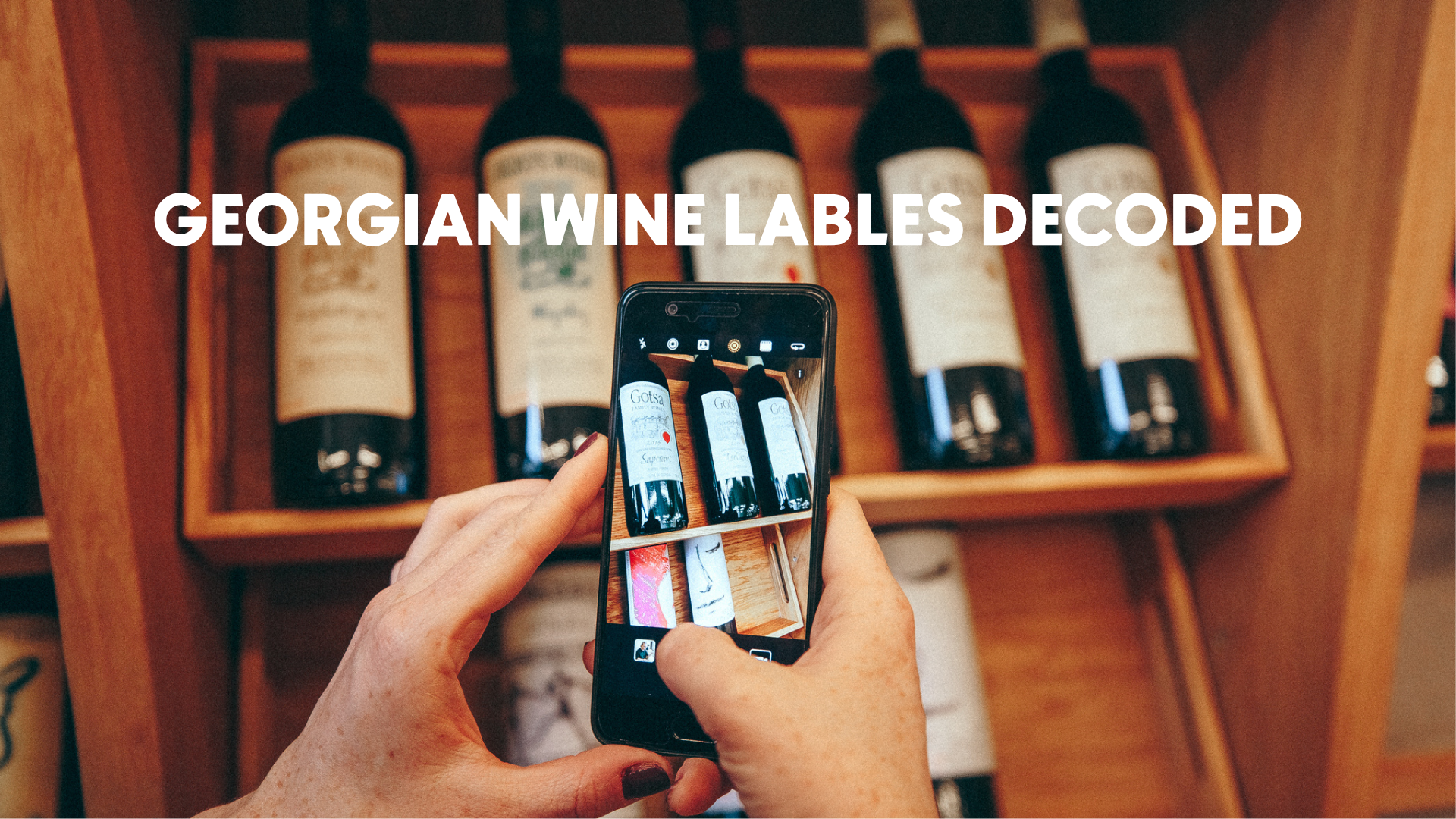
Georgian wine labels can feel confusing if you approach them with expectations shaped by France, Italy or Spain. They rarely give you a strict hierarchy of locations, and of course, the names of grape varieties or winemakers’ surnames can be long and confusing.
Nevertheless, there is a logic to them, and once you understand it, most bottles become much easier to place stylistically and commercially.
The key is to start looking at the label as a combination of three elements: grape, method and place.

The National Wine Agency of Georgia has designated the UK as a priority export market
and increased promotional investment for 2026. The programme - managed by Swirl
Wine Group and led by Master of Wine Sarah Abbott - spans trade education, major
wine fairs, sommelier masterclasses at leading London restaurants, press trips to
Georgia, national retail promotion, and Global Judging with the IWSC.

When is the best time to visit Georgia? It’s one of the questions we hear most often, and our answer is: it depends on what you want to experience. Wine is not seasonal here; it’s a part of daily life, but each time of year offers a different rhythm and a slightly different way to explore it.
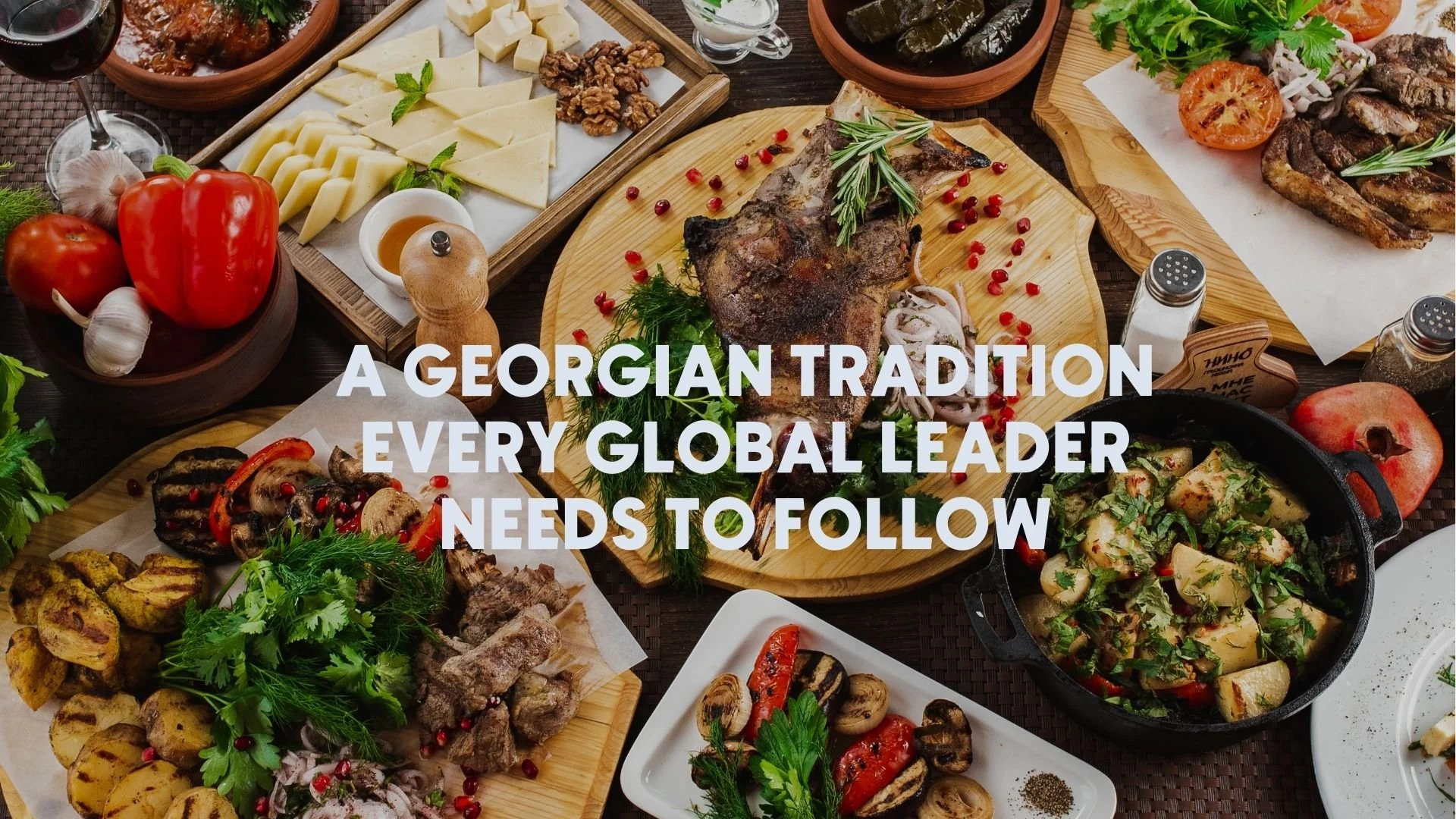
A Georgian supra is often translated as a feast, but that word barely describes the reality. Yes, there is a lot of food and wine, but the real point of the table is conversation. A supra is where people talk about life, family, memory, the country, sometimes even politics, but in a very particular way.
We wanted to tell you more about this cultural phenomenon, so that you'll be ready for your wine trip to Georgia (don't tell us you're not eyeing those British Airways tickets for summer!)